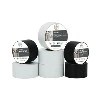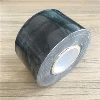

At present, the brands of electrical tape on the domestic market are complex, but the quality is uneven. Electrical tape is closely related to electricity, and requires high requirements for various functions and safety of the tape. Some defective electrical tapes usually bring serious consequences.
Types of Tape Disadvantages
Generally speaking, the common shortcomings of defective electrical tape in application are: poor flame retardancy; easy to age and fall; poor compliance; easy to corrode; lead poisoning; serious overflow; easy to wear; insufficient viscosity; poor weather resistance; outstanding The core and so on.
Defective electrical tape often encounters these shortcomings. Once you choose a defective electrical tape, it usually leads to unpredictable results. Therefore, it is very important to choose a suitable electrical tape. When choosing a product, it is necessary to understand the relevant functional parameters and simple test methods of the electrical tape.
1. Viscosity check.
Stickiness refers to the ability of the tape to adhere to the surface of the object to be adhered. The viscosity of electrical tape is generally measured according to the requirements of the specification, and the test method is ASTM d-1000.
Electrical tape
2. Flame retardancy.
The flame retardancy of the tape refers to the ability of the tape to prevent the tape from burning continuously. Ul510 is dedicated to the functional test of electrical insulating tape, and flame retardancy is one of the important test items. The specimen is wound with a specified length of tape on a steel rod with a diameter of 1/8 inch, and a display is attached to the top. The flame of the incinerator forms a 20-degree angle with the steel bar. After every 5 times (15 seconds each time) close to the flame, the ignition time of the sample should not exceed 60 seconds, or the damage of the display should not exceed a quarter. The Ul510 burn test is a pass or fail test. UL approved or listed tapes with the "flame retardant" logo have passed this test and UL's follow-up service audit test.
3. Withstand voltage test.
Withstand voltage test refers to the withstand voltage test of various electrical equipment, insulating materials and insulating structures. The process of applying high voltage to an insulating material or an insulating structure without damaging the function of the insulating material is called a withstand voltage test. Generally speaking, the main purpose of the withstand voltage test is to check the insulation's ability to withstand working voltage or overvoltage, and then check whether the insulation function of the product equipment meets the specifications.
The functions and tests related to electrical tape are not limited to the above three items. Correctly understanding and mastering the common shortcomings and functional characteristics of electrical tape is of great significance for the correct selection and application of electrical tape.