
Introduction: Why Pipeline Corrosion is a Critical Risk in South America
Pipeline systems across South America - including water supply, oil & gas, and power infrastructure - operate under some of the most aggressive environmental conditions in the world.
High humidity, heavy rainfall, and chemically active soils significantly accelerate corrosion processes. In many regions, pipeline failure is not caused by mechanical damage, but by progressive coating degradation and corrosion under insulation (CUI).
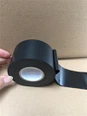
For contractors and engineers, selecting the right pipe wrapping tape is not just a material decision - it is a long-term asset protection strategy.
Corrosion Mechanisms in Real Field Conditions
Understanding failure mechanisms is essential before selecting a solution.
1. Electrochemical Corrosion
When pipelines are buried underground or exposed to moisture:
Metal surfaces react with oxygen and water
Electrochemical cells form
Corrosion spreads under weak coatings
2. Moisture Ingress
In tropical environments:
Water penetrates poorly bonded tape layers
Trapped moisture accelerates localized corrosion
3. Soil Stress and Bacterial Activity
Certain soils in South America contain:
Sulfates and chlorides
Microbial activity (MIC – Microbiologically Influenced Corrosion)
These factors significantly reduce coating lifespan.
The Role of Pipe Wrapping Tape in Corrosion Protection Systems
Pipe wrapping tape is not a standalone product - it is part of a coating system.
Its primary functions include:
Providing a physical barrier against water and oxygen
Ensuring strong adhesion to pipe surfaces
Resisting soil stress and mechanical damage
Maintaining long-term stability underground
In many projects, tape systems are used alongside primers and multi-layer wrapping structures.
Types of Pipe Wrapping Tape Used in Engineering Projects
1. PVC Pipe Wrapping Tape
Flexible and easy to apply
Good for general corrosion protection
Suitable for above-ground or light-duty underground use
2. PE (Polyethylene) Anti-Corrosion Tape
Higher mechanical strength
Excellent resistance to soil stress
Common in oil & gas pipeline projects
3. Butyl Rubber Tape Systems
Superior waterproof sealing
High adhesion to irregular surfaces
Often used as inner layer in multi-layer systems
Key Technical Parameters Engineers Must Evaluate
When selecting pipe wrapping tape, the following parameters are critical:
Adhesion Strength
Measured against steel surfaces - determines resistance to delamination.
Water Vapor Transmission Rate (WVTR)
Indicates how well the tape prevents moisture penetration.
Dielectric Strength
Important for electrical insulation and cathodic protection compatibility.
Thickness & Layer Structure
Single-layer vs multi-layer systems affect durability.
Aging Resistance
Performance after exposure to heat, humidity, and soil conditions.
Common Failure Cases in South America Projects
Based on field feedback, common issues include:
Tape peeling due to poor surface preparation
Adhesive softening under high temperature
Water ingress from low-quality materials
Short service life (<2–3 years)
Most failures are not due to installation errors, but due to incorrect material selection.
Engineering Best Practices for Tape Application
To ensure long-term performance:
Proper surface cleaning (remove rust, oil, dust)
Use of compatible primer when required
Controlled wrapping tension and overlap ratio
Multi-layer application in high-risk environments
Inspection and testing after installation
TAPELIANTU Industrial Tape Solutions
At TAPELIANTU, we provide pipe wrapping tape solutions designed for real field conditions:
Stable adhesion systems for humid environments
Custom thickness and width for project requirements
Consistent quality control from raw materials
Support for bulk supply in infrastructure projects
We work with distributors and contractors to match product specifications with application environments.
Conclusion: Material Selection Determines Service Life
In pipeline protection, the difference between a 3-year failure and a 10-year lifespan often comes down to material choice.
Selecting the right pipe wrapping tape system is essential for:
Reducing maintenance costs
Extending pipeline life
Ensuring operational safety
FAQ
Q1: Is pipe wrapping tape suitable for underground pipelines?
A: Yes, especially PE and butyl-based systems designed for soil environments.
Q2: How long can anti-corrosion tape last?
A: Typically 5–10 years depending on material and application quality.
Q3: Can tape be used with cathodic protection systems?
A: Yes, but dielectric properties must be considered.
Contact
For technical data sheets or project consultation, visit:
www.tapeliantu.com