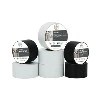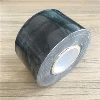

Introduction: A Growing Problem in Automotive Wiring Systems
In recent years, automotive production across South America - especially in Brazil, Argentina, and Mexico - has been expanding steadily. With this growth, wire harness manufacturers are under increasing pressure to improve durability, reduce failure rates, and meet OEM standards.
However, one overlooked issue continues to cause long-term reliability problems: the performance of PVC electrical tape used in wire harness wrapping.
Many manufacturers still choose tape based on price rather than performance - leading to failures that only appear after the vehicle is in use.
Why Standard PVC Tape Often Fails in South American Conditions
South America presents a unique combination of environmental stress factors:
1. High Temperature Exposure
Inside engine compartments, temperatures can exceed 90°C.
Low-grade PVC tape tends to:
Soften
Lose adhesion
Slide or unwrap
2. High Humidity & Moisture
Tropical climates accelerate:
Adhesive degradation
Mold or corrosion around wiring
3. Constant Vibration (NVH Issues)
Wire harnesses are exposed to:
Continuous vibration
Friction between cables
This often leads to:
Noise (rattling sounds)
Abrasion damage
The Engineering Role of PVC Electrical Tape
PVC tape is not just for bundling wires. It plays several critical roles:
Electrical insulation
Mechanical protection
Noise reduction (anti-NVH)
Environmental sealing
Its performance depends on two key factors:
Adhesive System
Rubber-based vs Acrylic
Initial tack vs long-term holding power
PVC Film Quality
Thickness consistency
Flexibility
Flame retardancy
Key Technical Parameters Buyers Should Evaluate
Instead of focusing only on price, professional buyers should check:
Temperature resistance (80°C / 105°C grade)
Adhesion to steel (N/cm)
Elongation at break (%)
Flame retardant compliance
Aging resistance (humidity test)
These parameters directly determine long-term reliability.
How to Select the Right Tape for Automotive Harness Use
Based on industry experience, the ideal tape should:
Maintain stable adhesion under heat
Remain flexible for easy wrapping
Resist humidity and chemical exposure
Reduce noise through proper damping
Meet OEM or Tier 1 supplier standards
Our Engineering Approach at TAPELIANTU
At TAPELIANTU, we focus on:
Controlled adhesive coating technology for consistent bonding
High-quality PVC film sourcing
Customization for different harness applications
Stable supply for large-scale automotive production
We work closely with clients to match tape performance with real working conditions.
Conclusion
In automotive manufacturing, small material choices can have large consequences.
Choosing the right PVC electrical tape is not just about cost - it is about long-term reliability, safety, and performance.
FAQ
Q1: What temperature rating is recommended for automotive tape?
A: Typically 90°C to 105°C depending on application.
Q2: Is thicker tape always better?
A: Not necessarily - flexibility and adhesion balance are more important.
Q3: Can tape reduce noise in wire harnesses?
A: Yes, proper material can significantly reduce vibration noise.
Contact
For technical specifications or samples, visit:
www.tapeliantu.com